What happens when scientific accuracy takes a back seat to experience, and interaction design becomes the driving force in science communication?
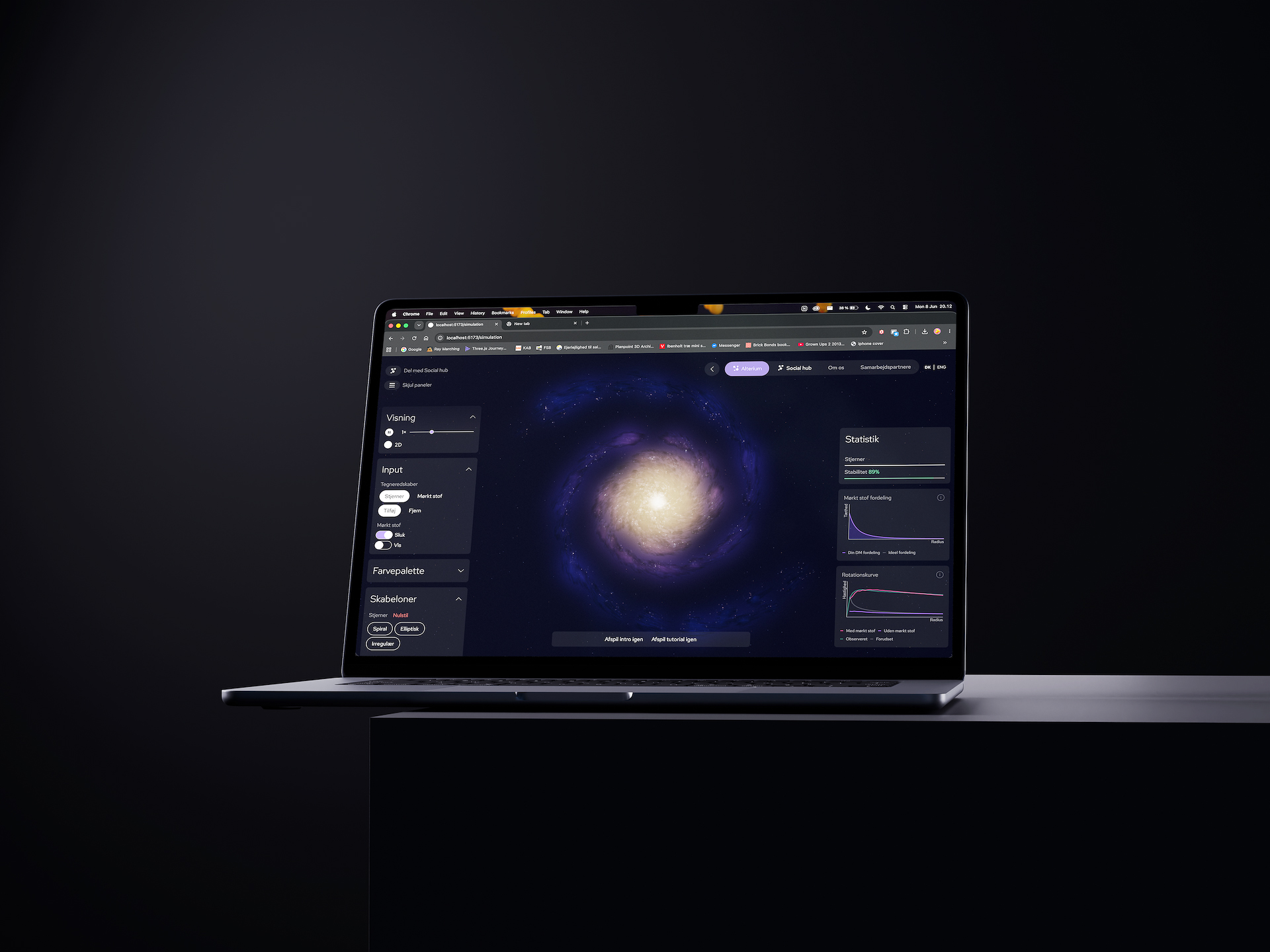
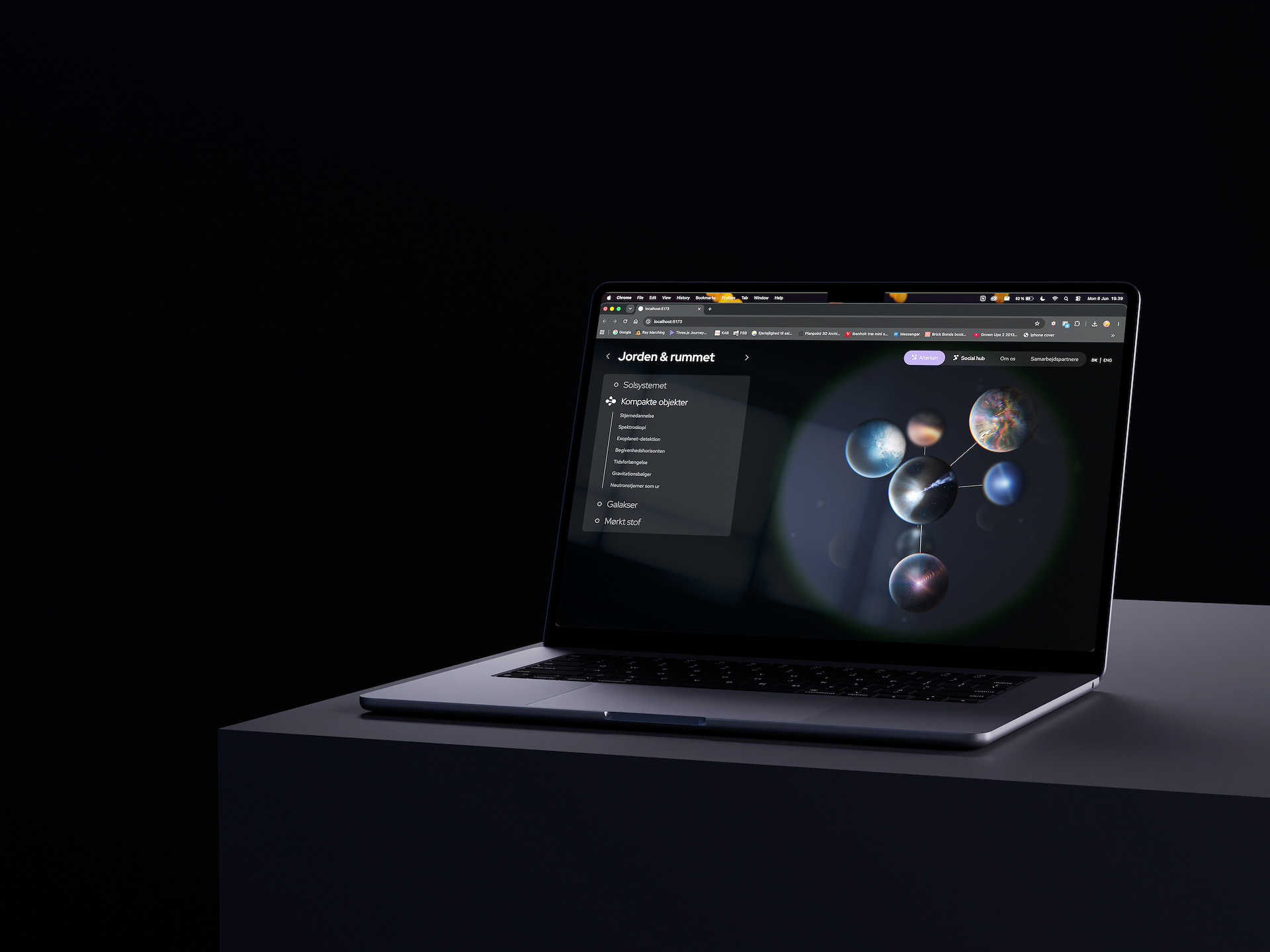
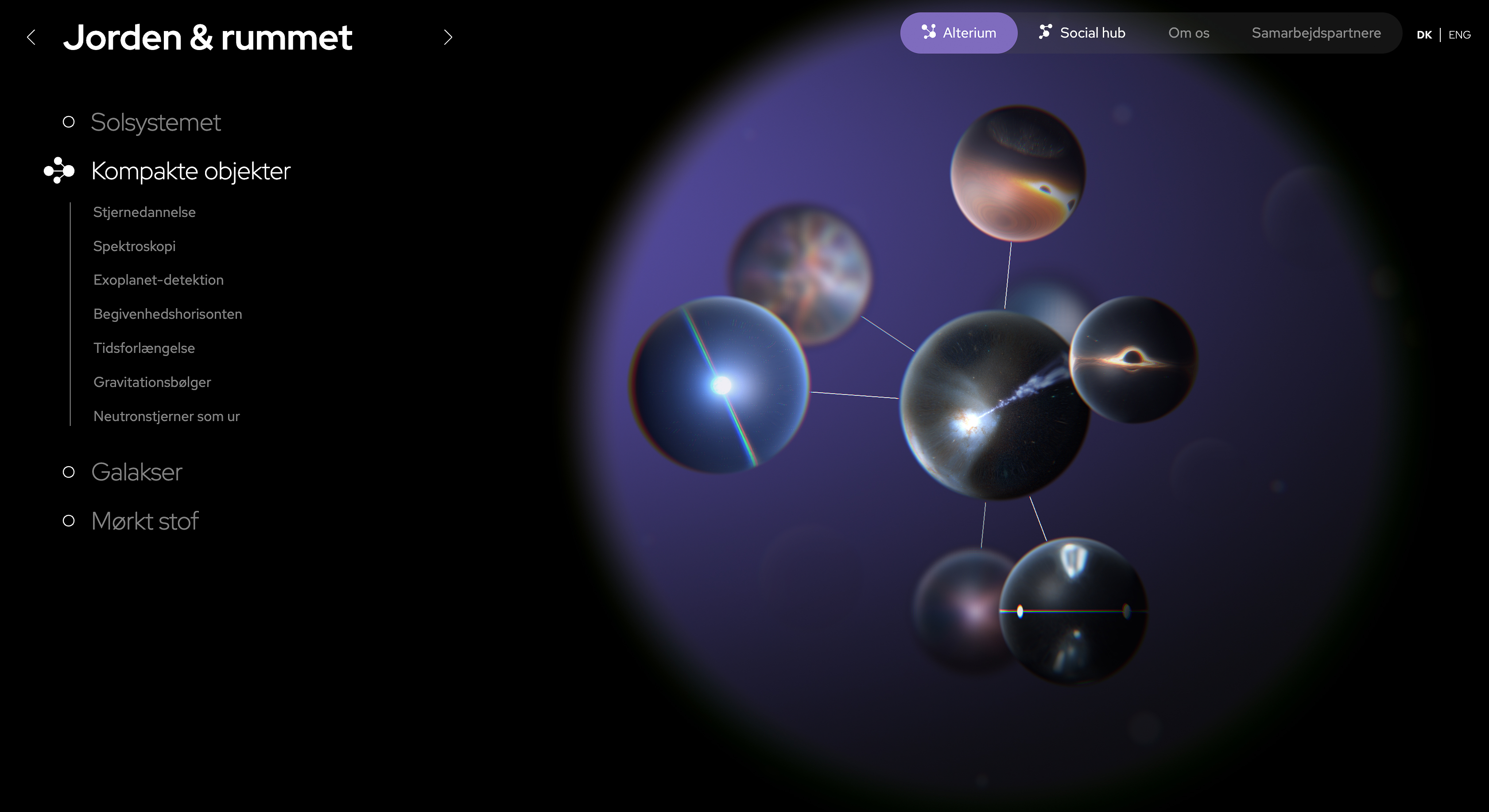
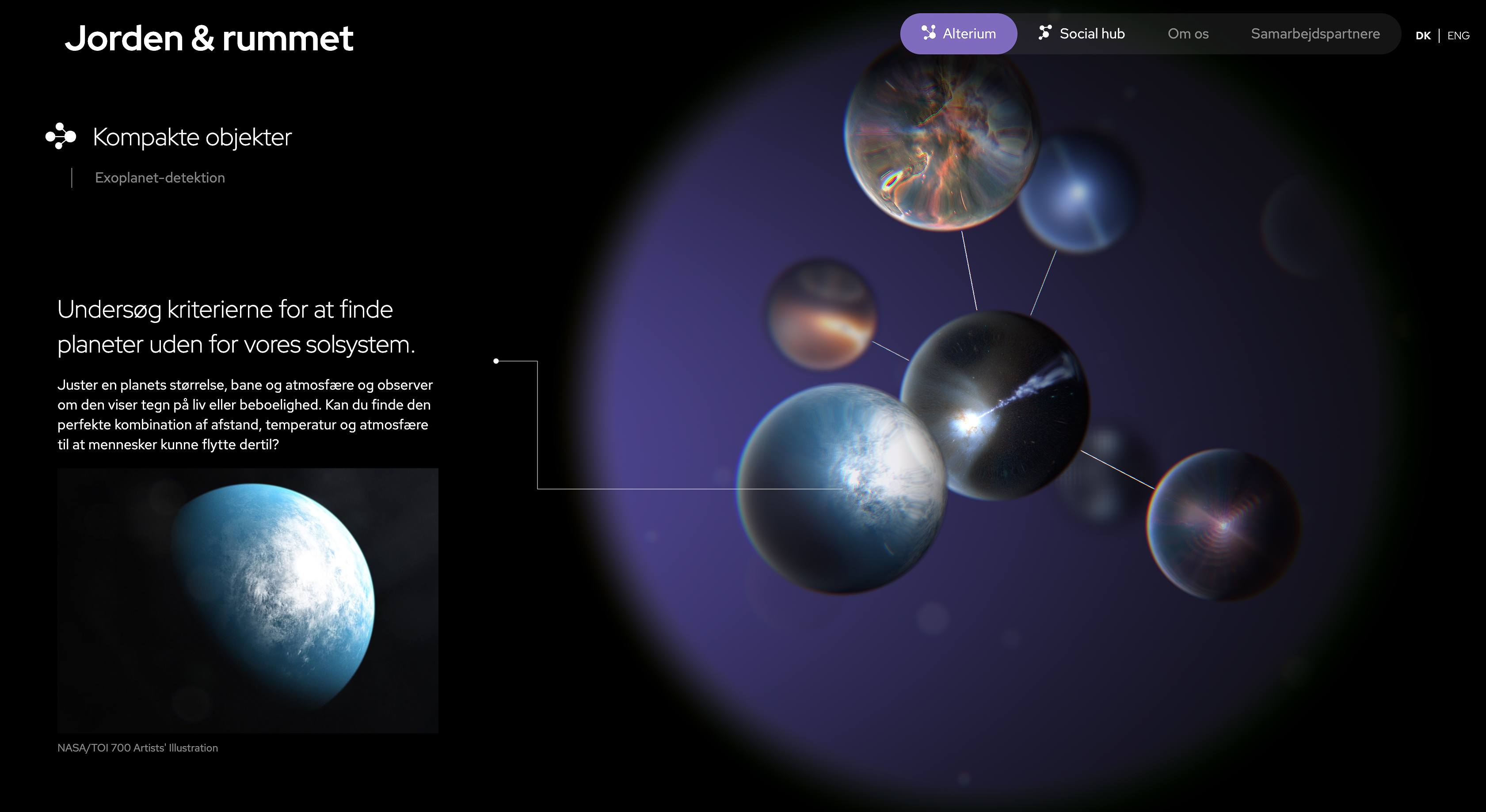
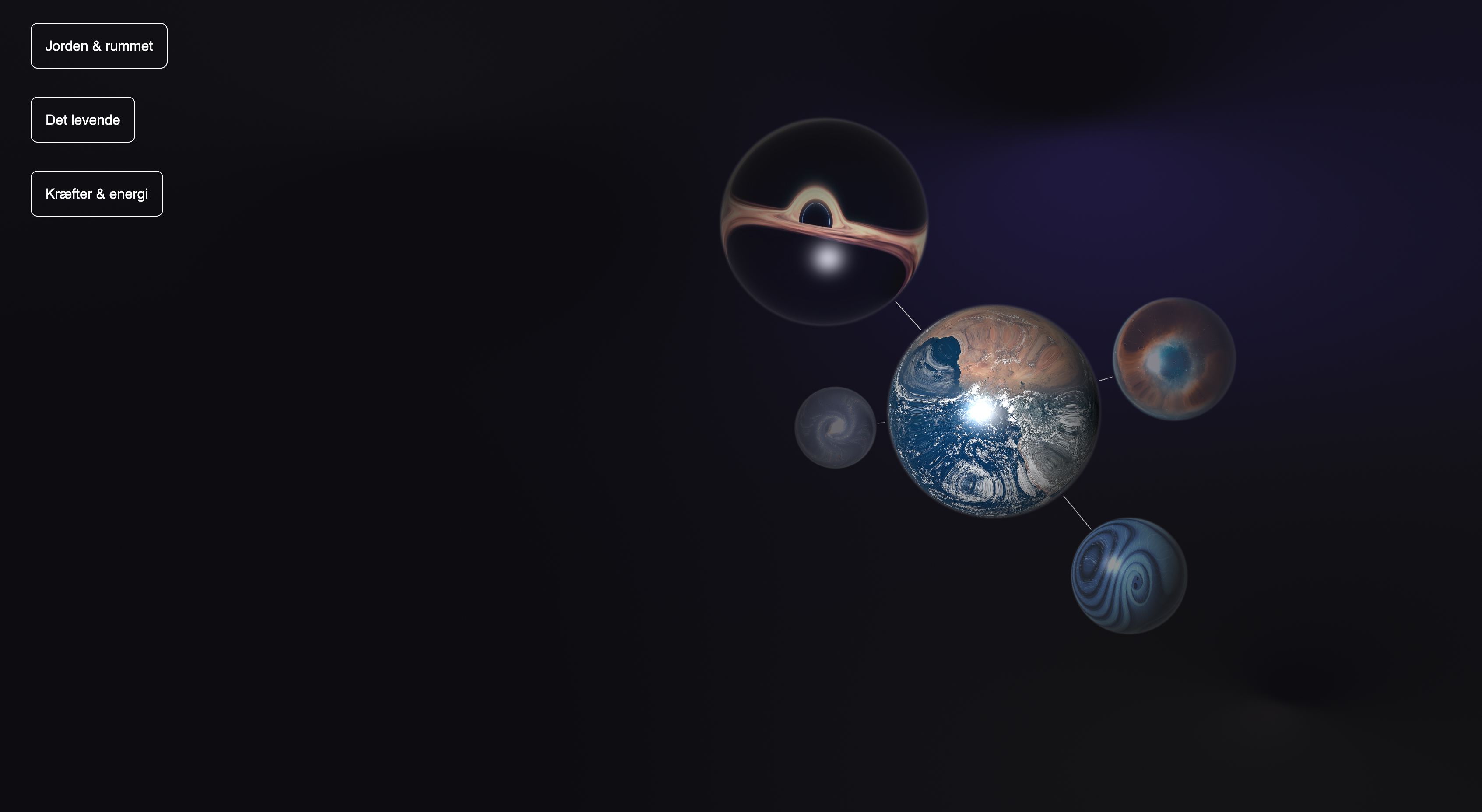
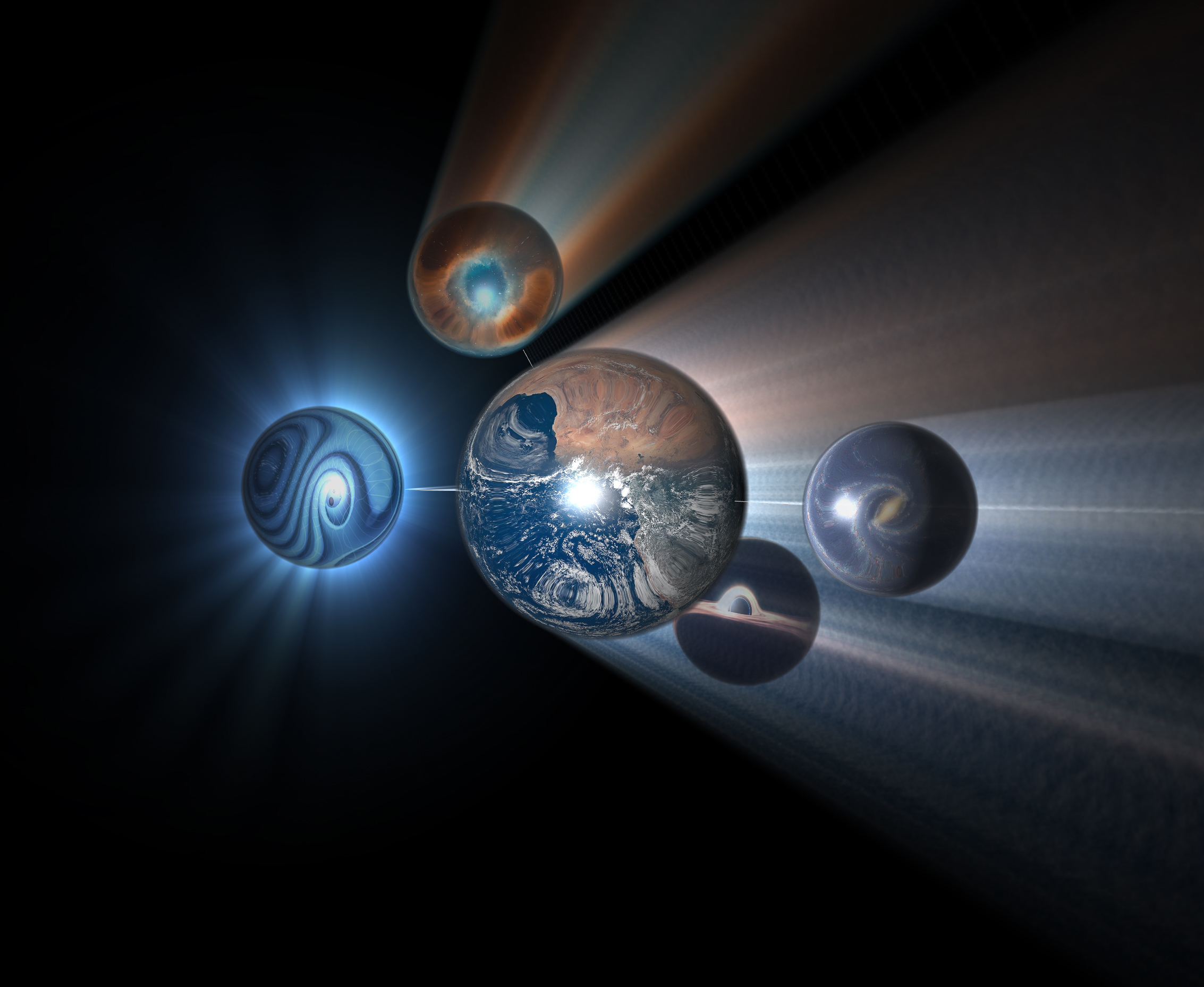
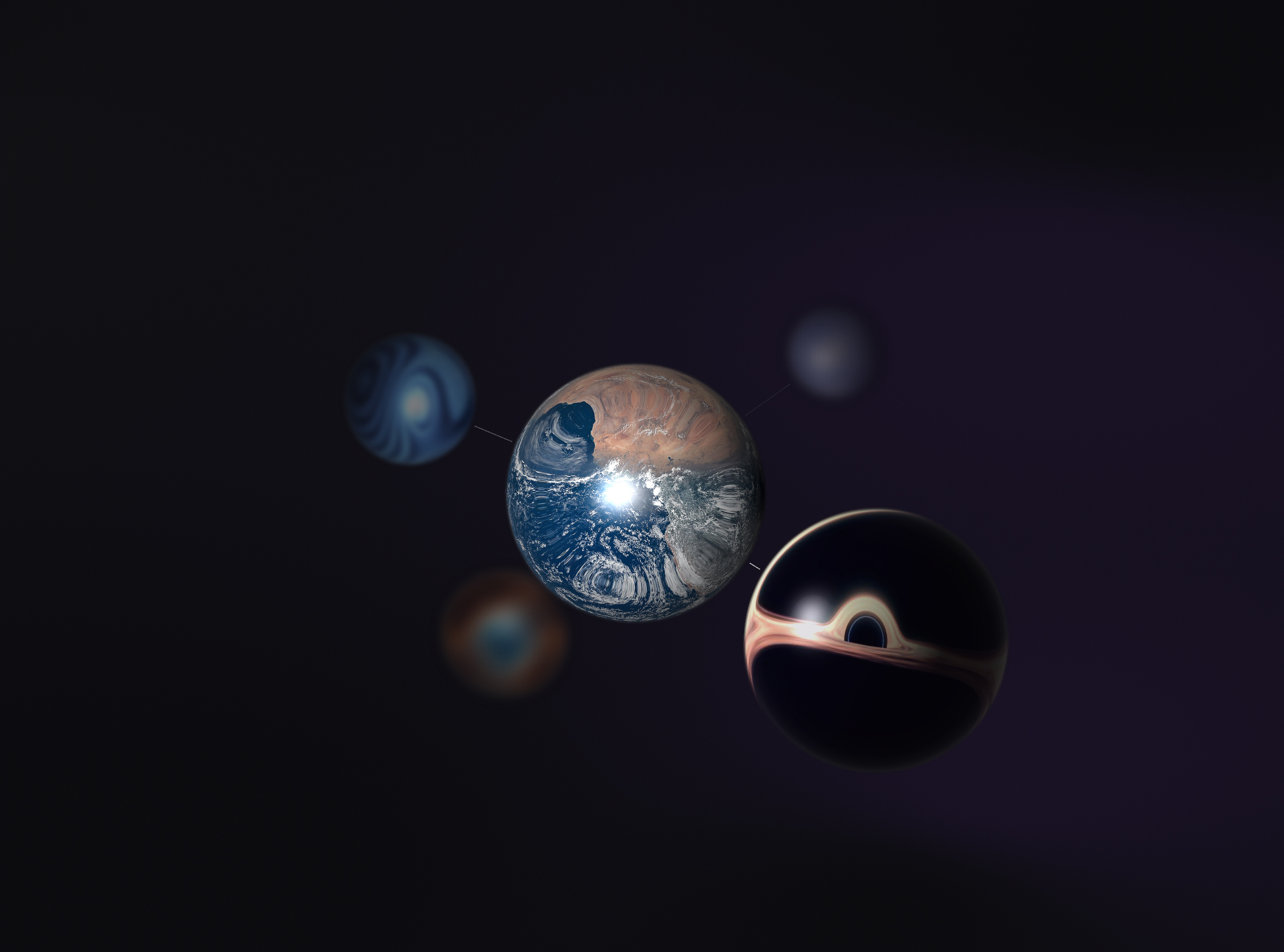
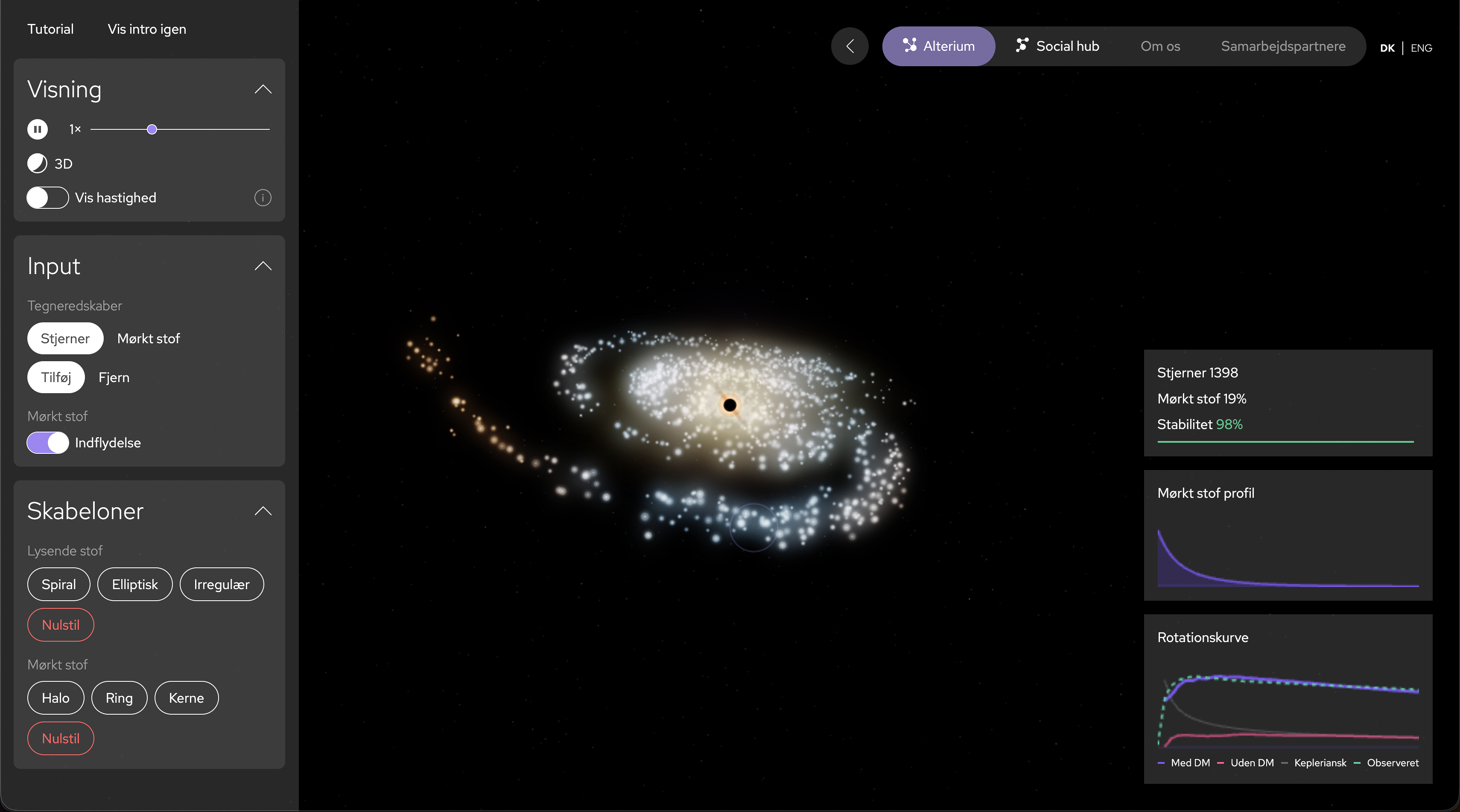
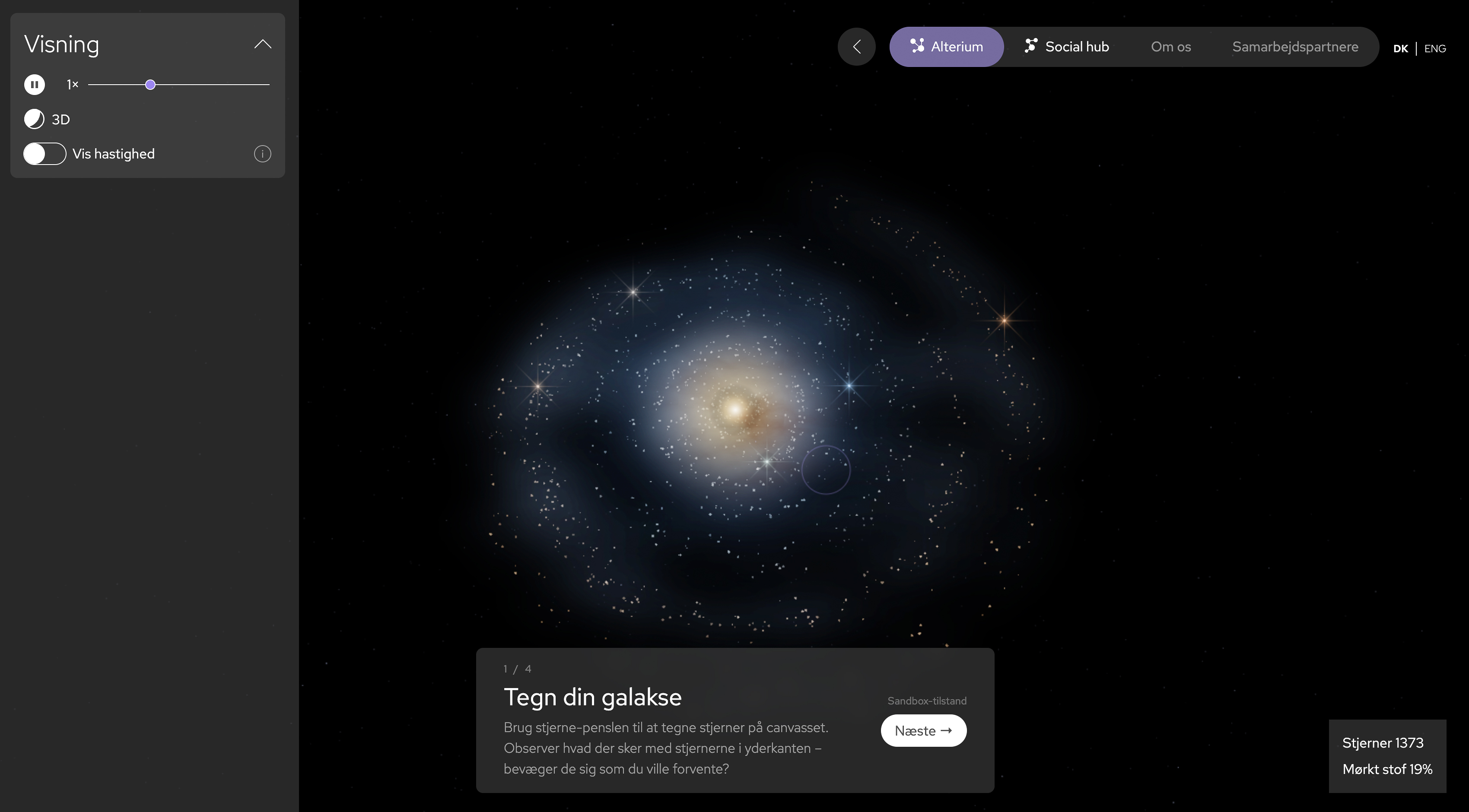
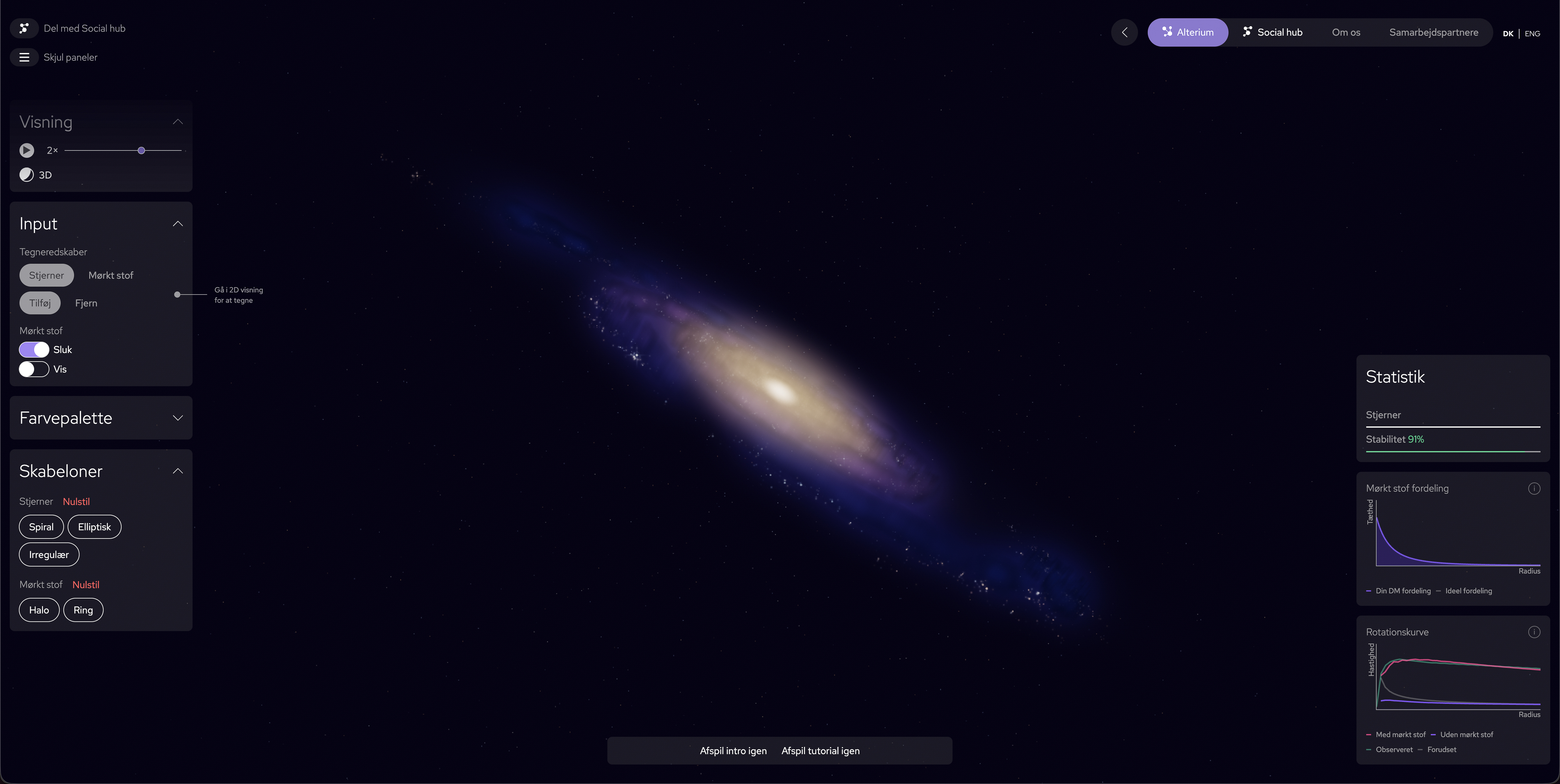
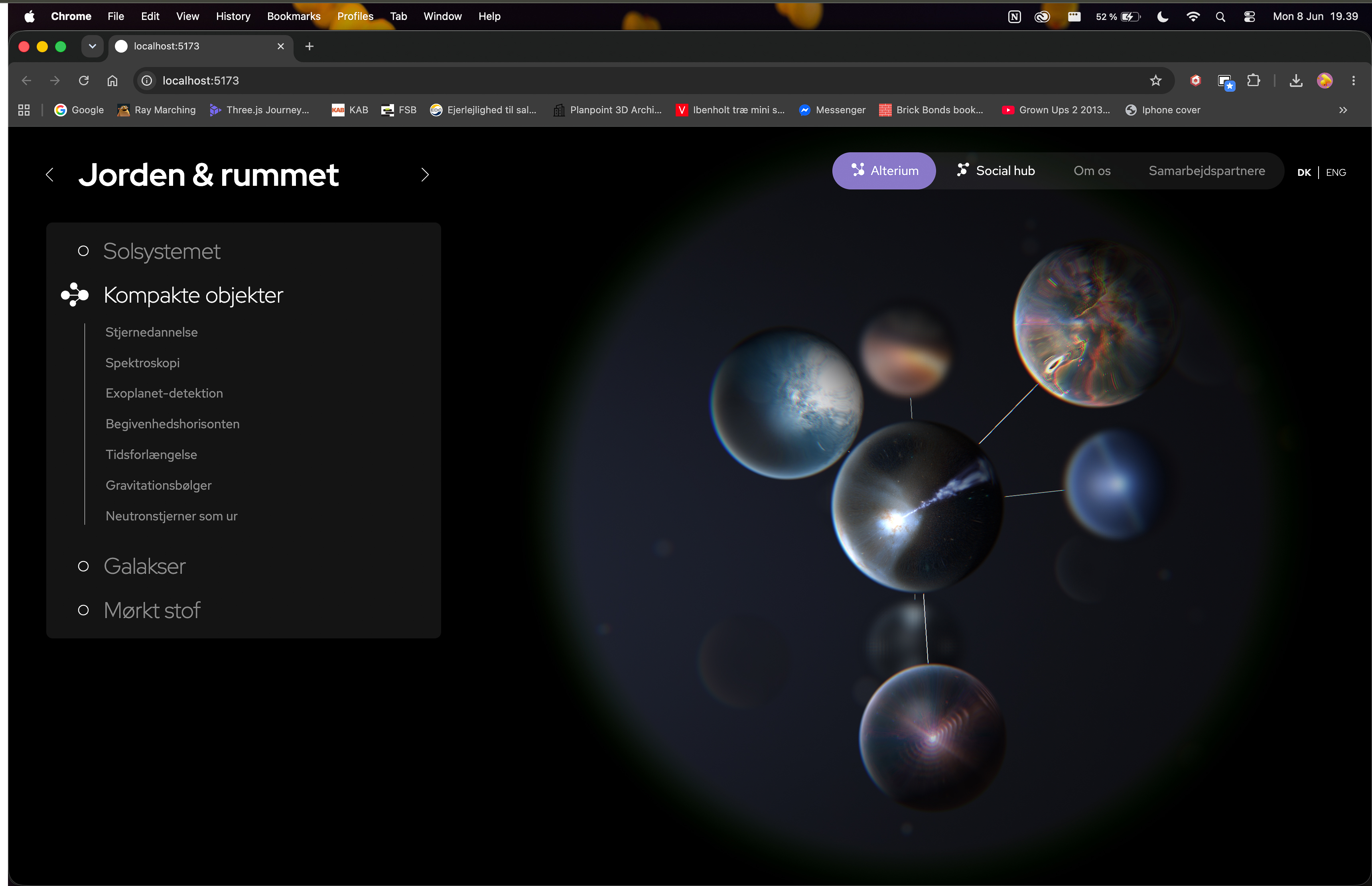
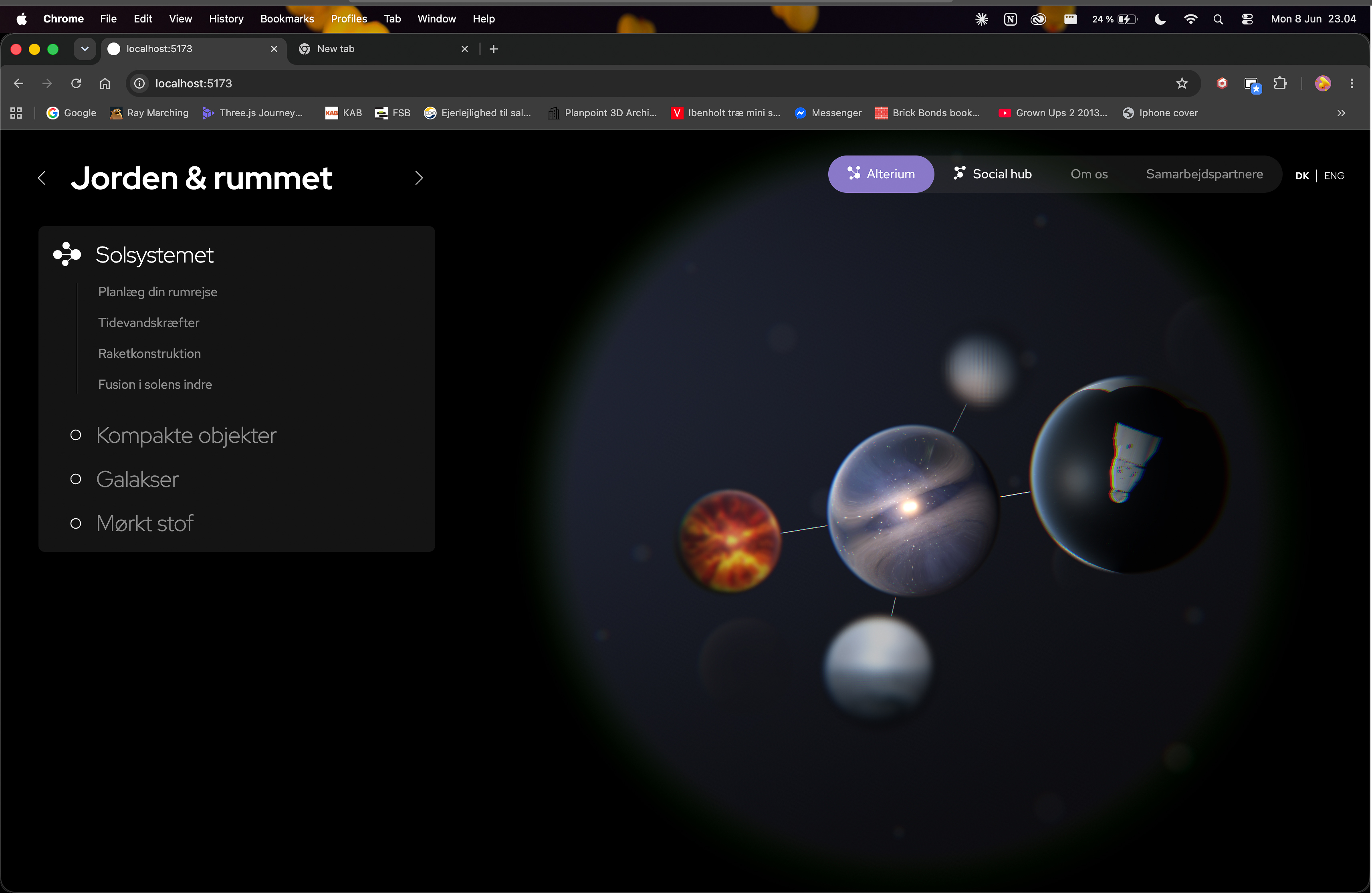
Alterium is a central hub for simulations of various phenomena within the natural sciences.



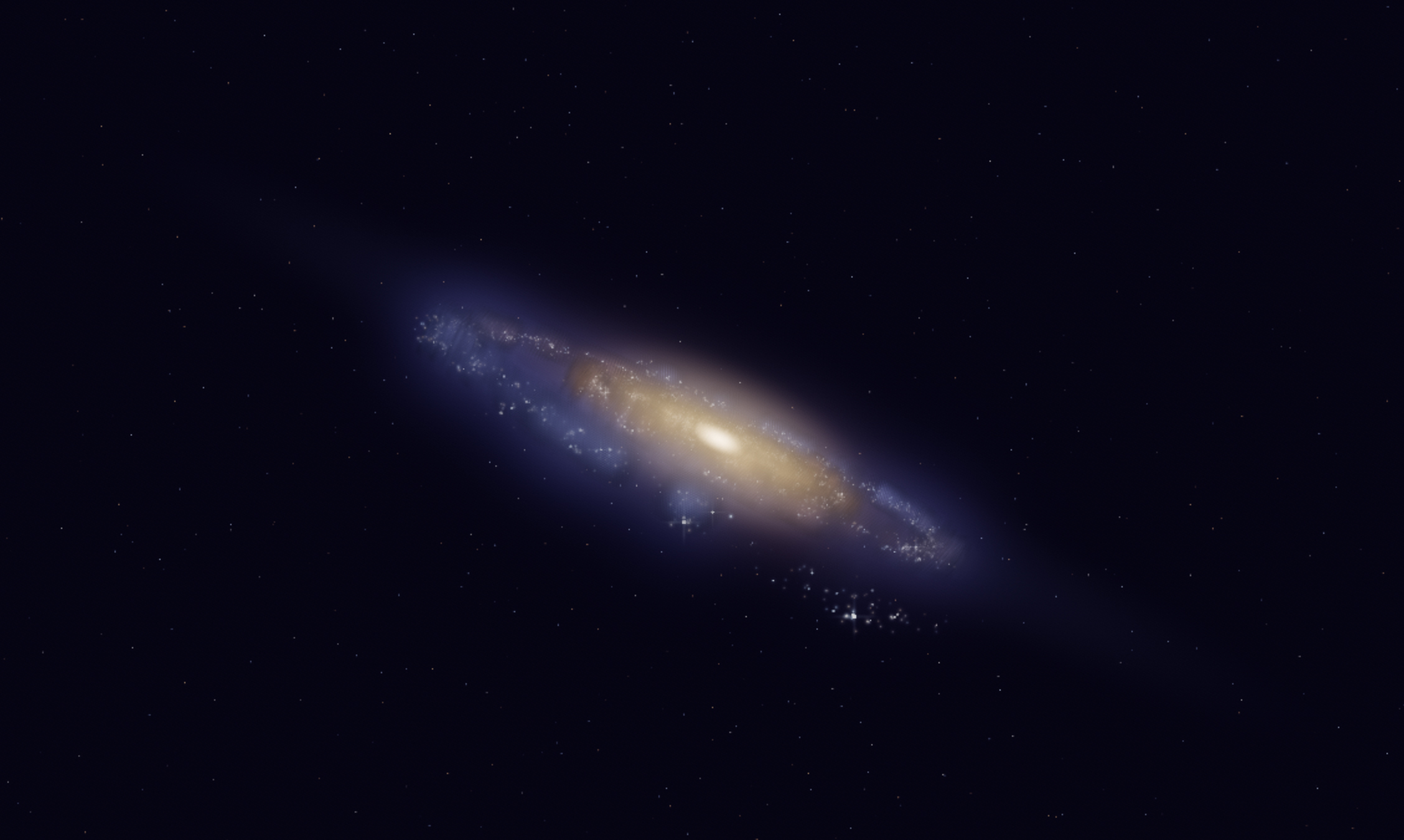
The Hypothesis
Technology is constantly evolving, but is visual communication in the natural sciences evolving too? Is it possible to create greater motivation for the subject by focusing on the experience in science communication rather than showing the phenomena as simply and correctly as possible?
The Approach
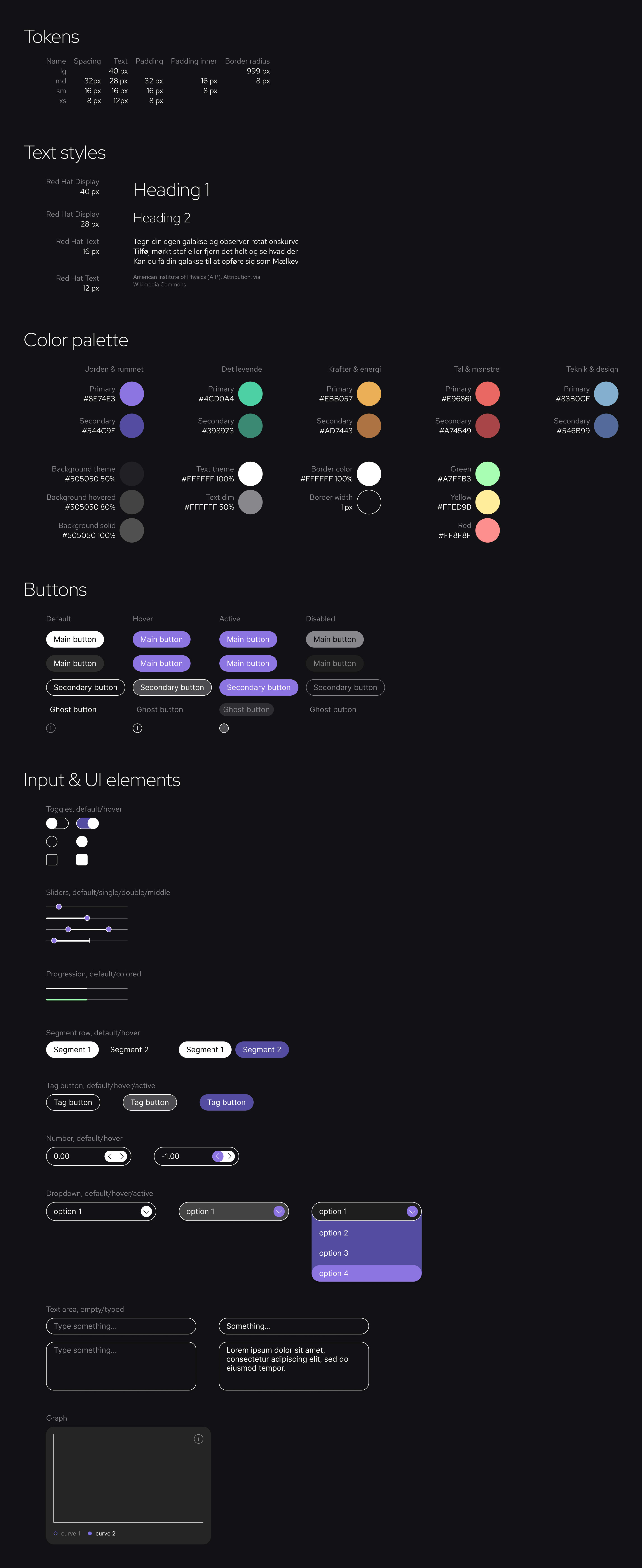
The primary driving force is WebGL and the projection matrix. I've chosen to build the site with as little overhead as possible, in order to dedicate as many resources as possible to elevating the experience itself.
The Solution
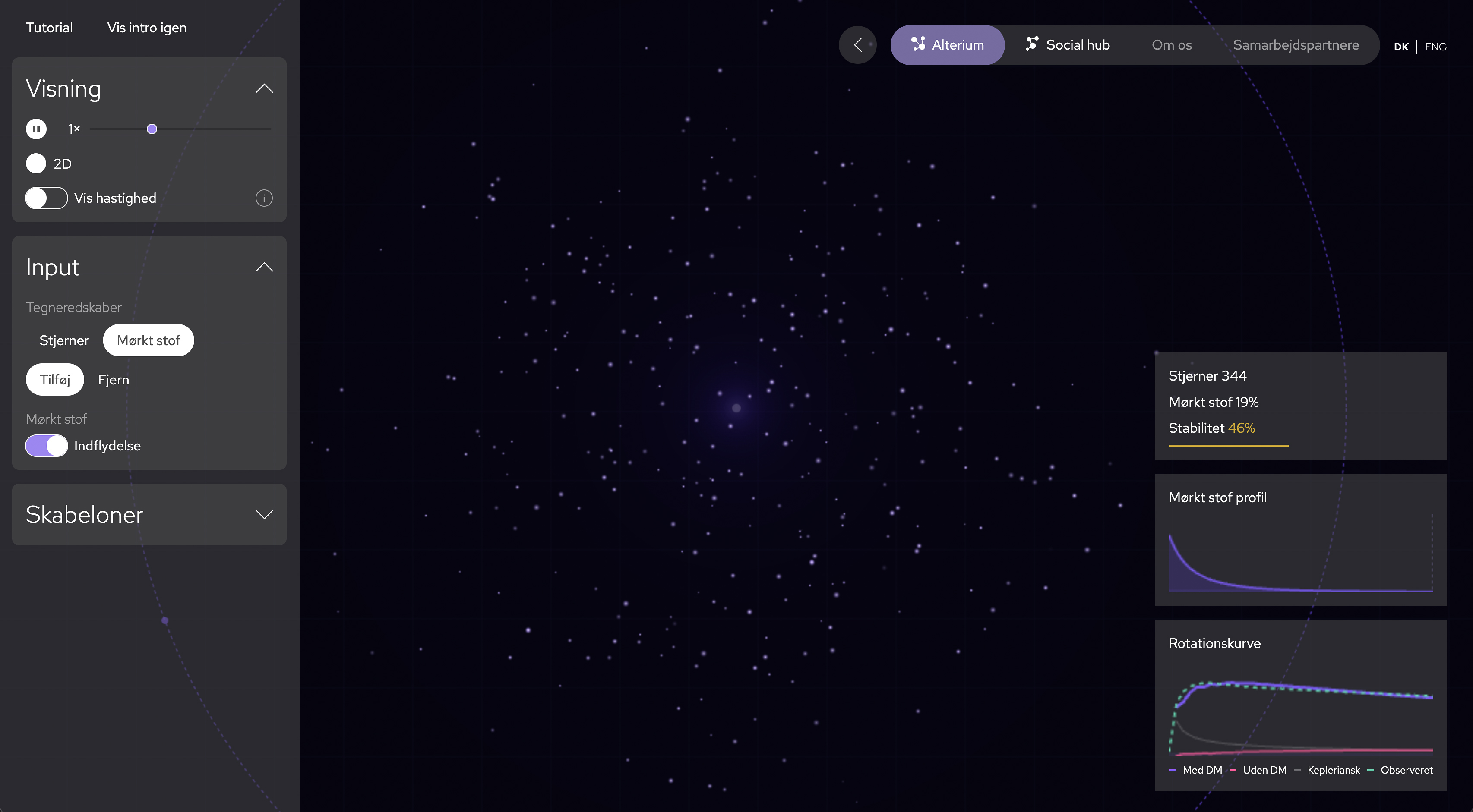
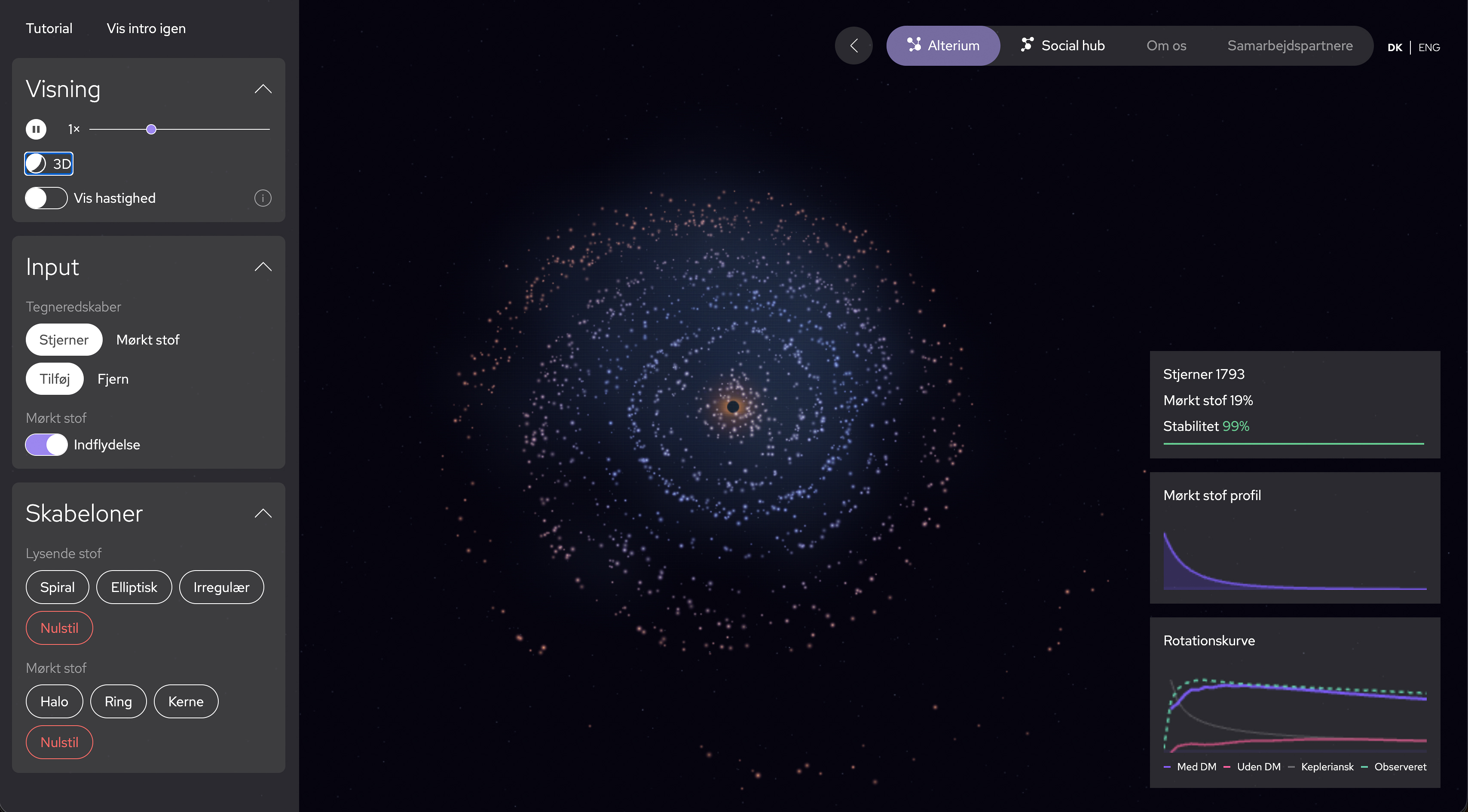
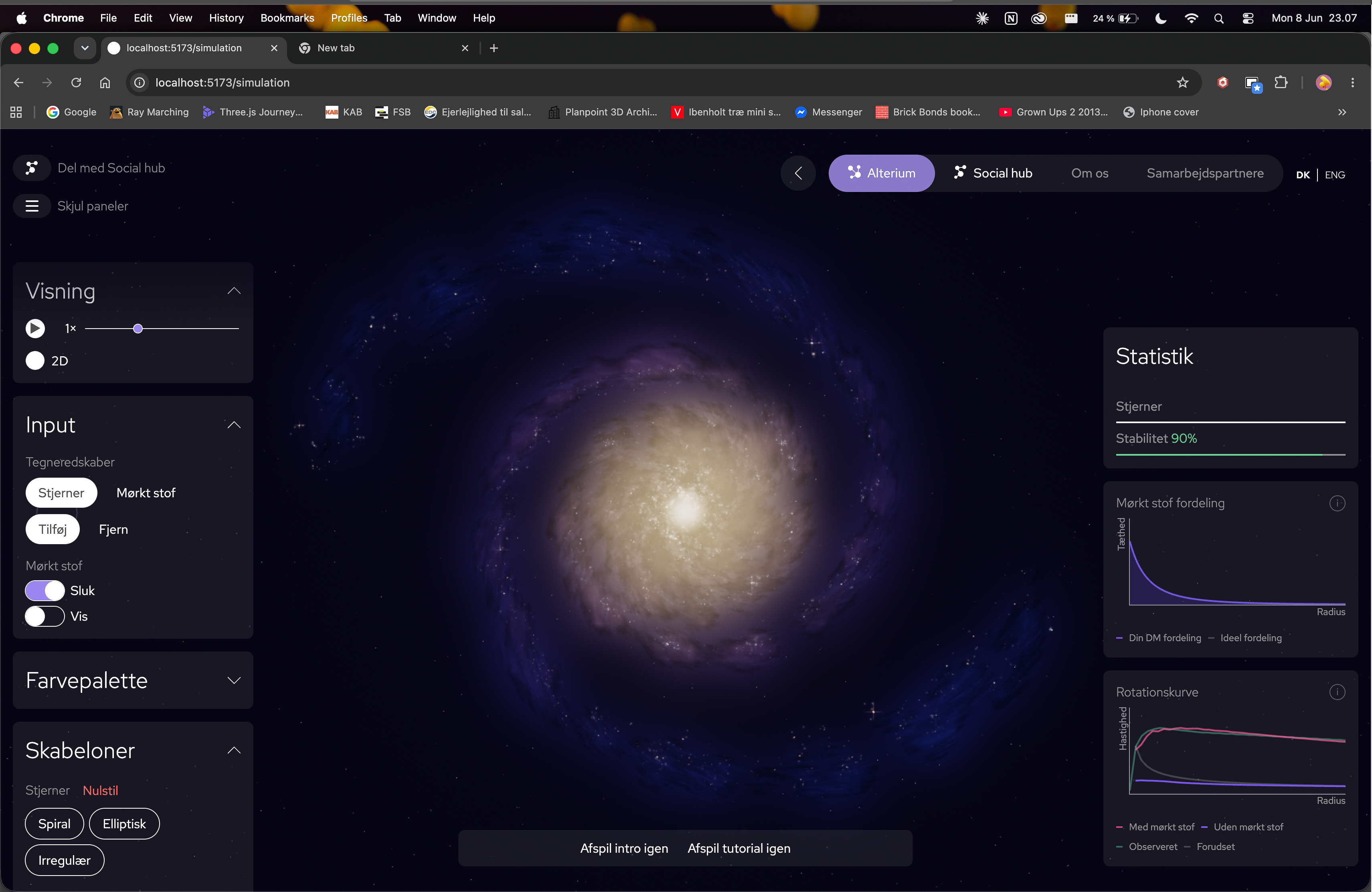
A tool that helps the STEM-interested visualize what all the numbers and formulas actually mean in reality. A tool that helps the STEM-interested remember why they chose STEM in the first place.

Process
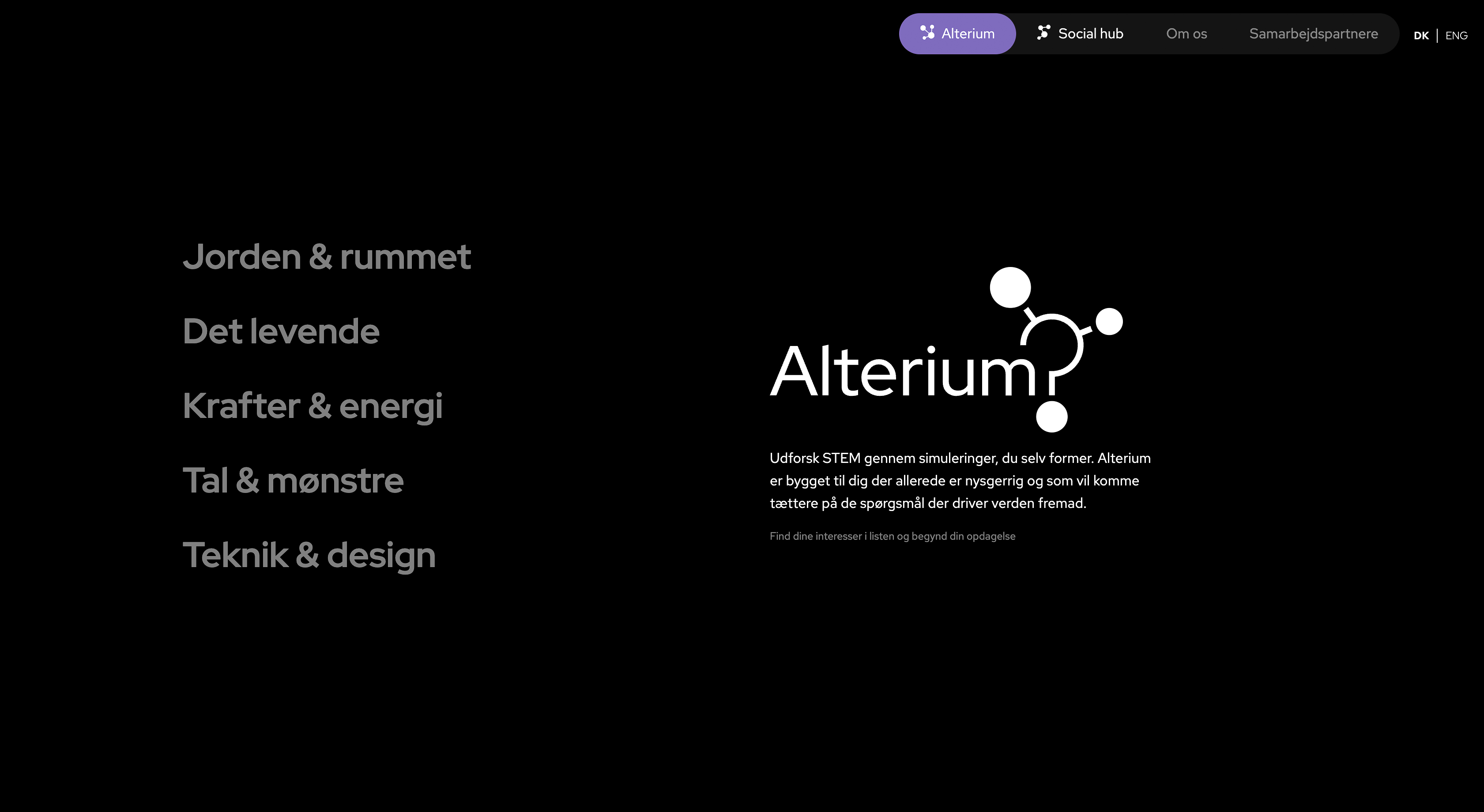
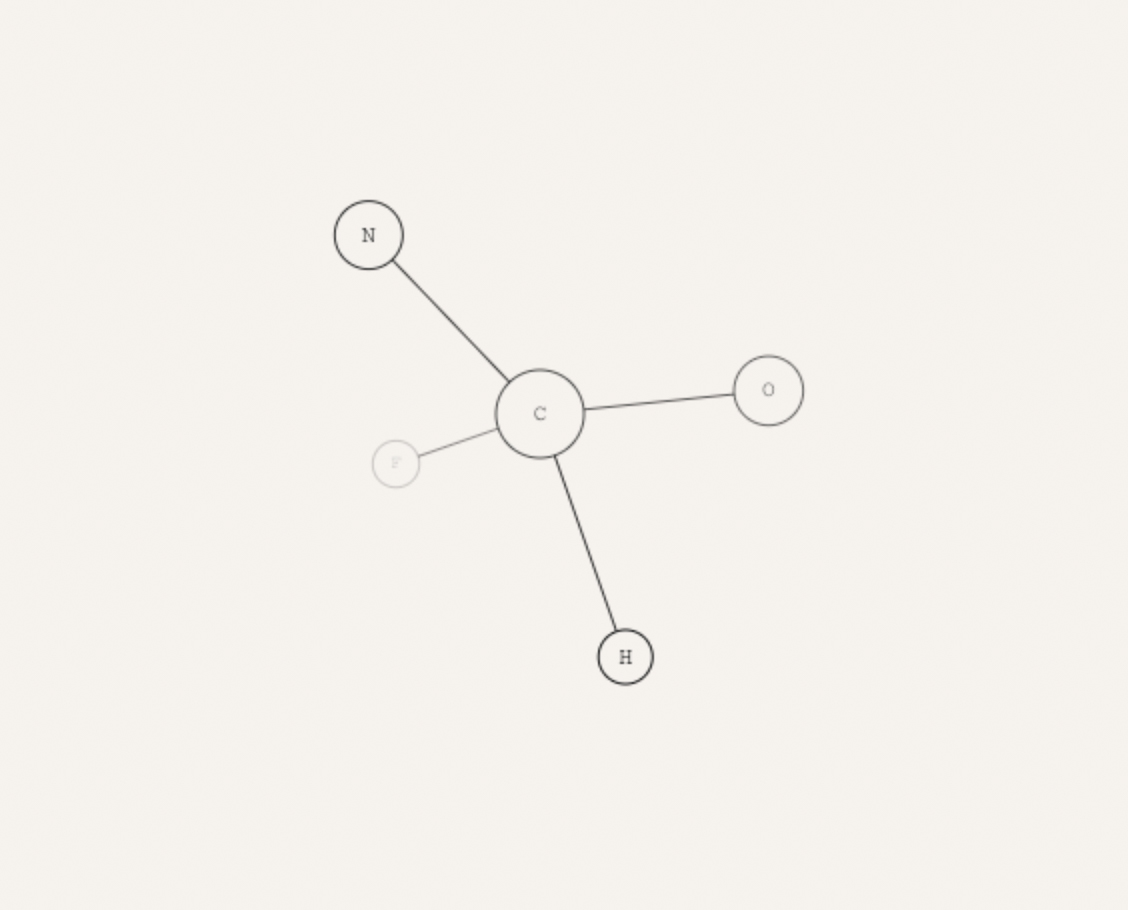
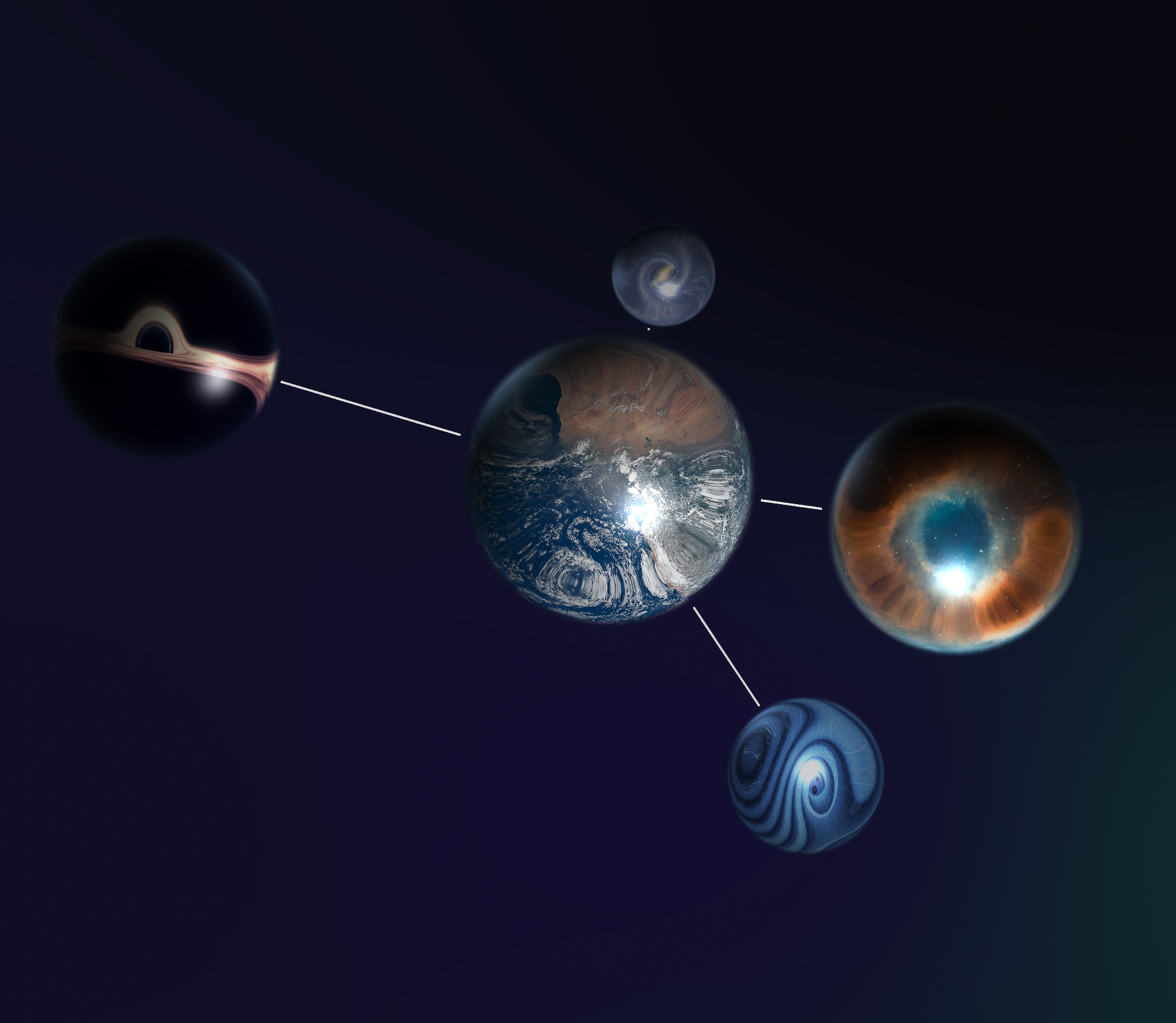
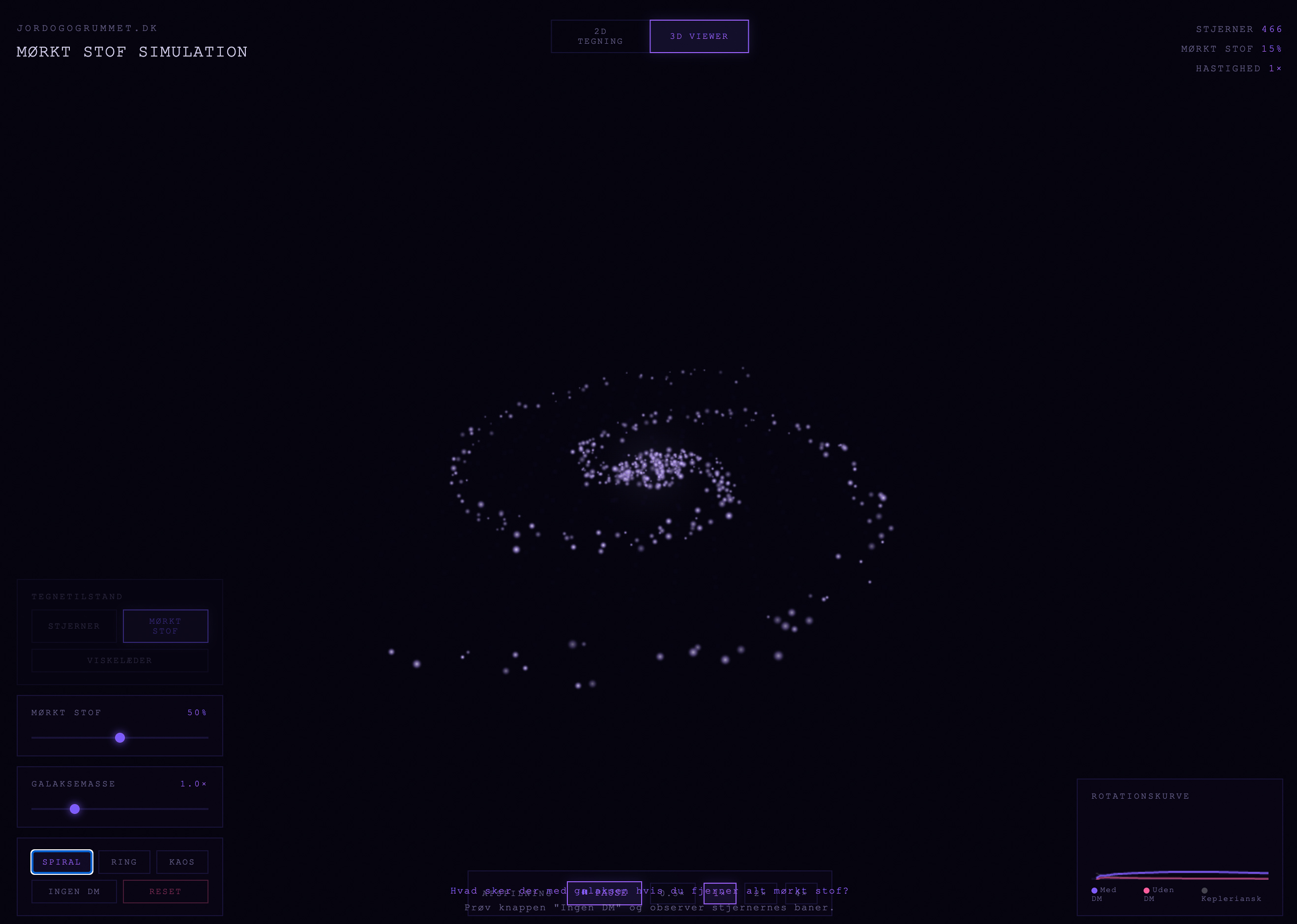
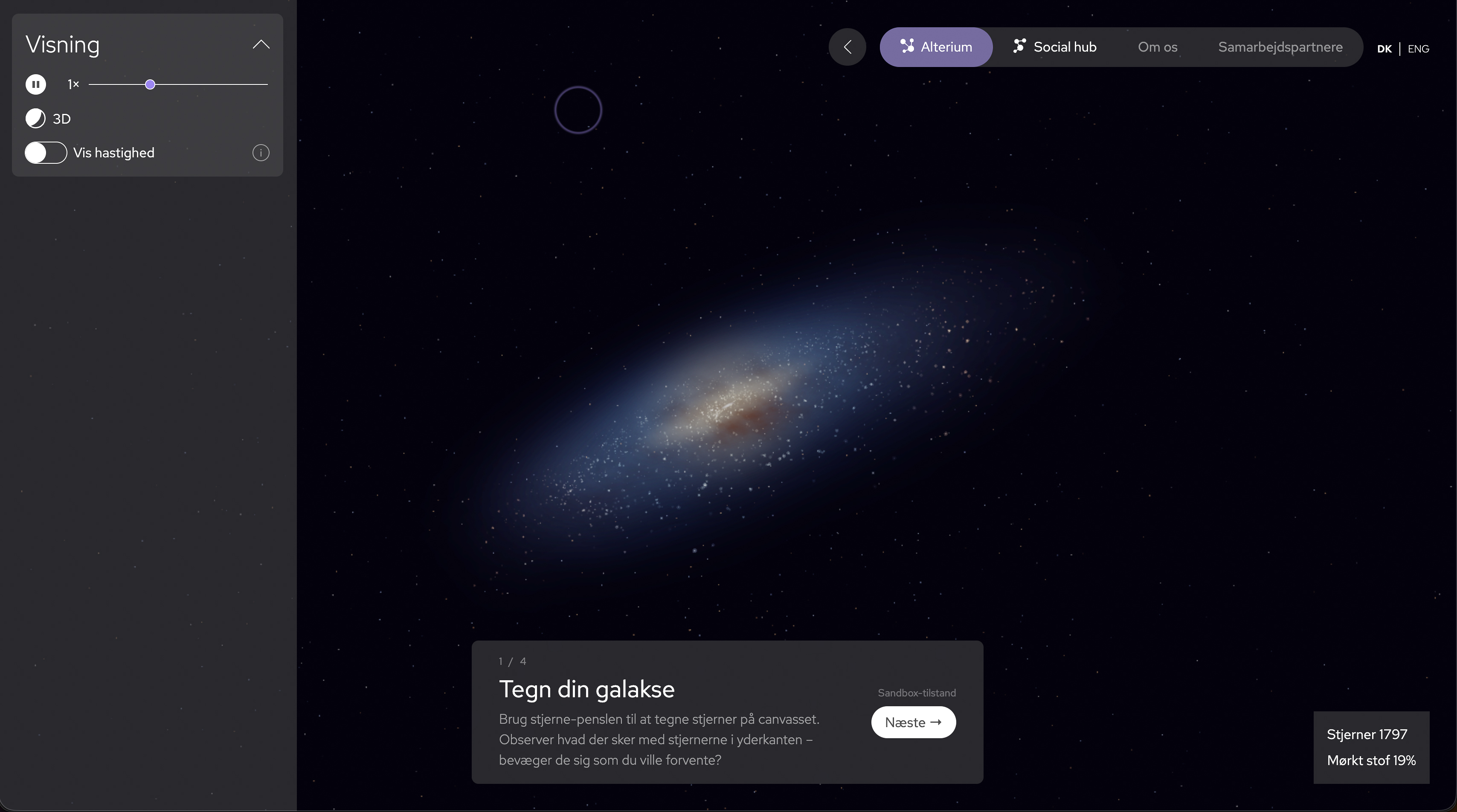
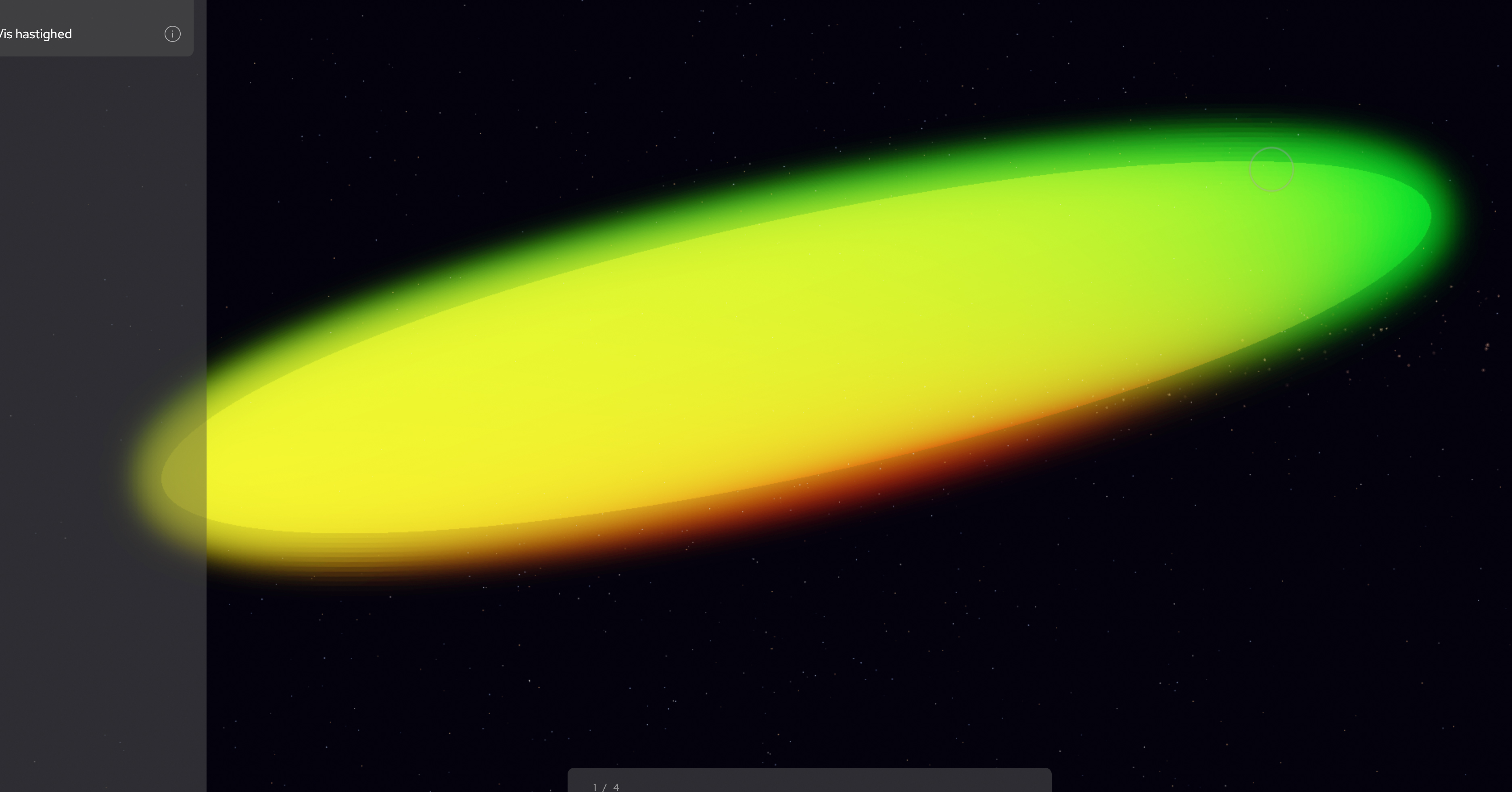
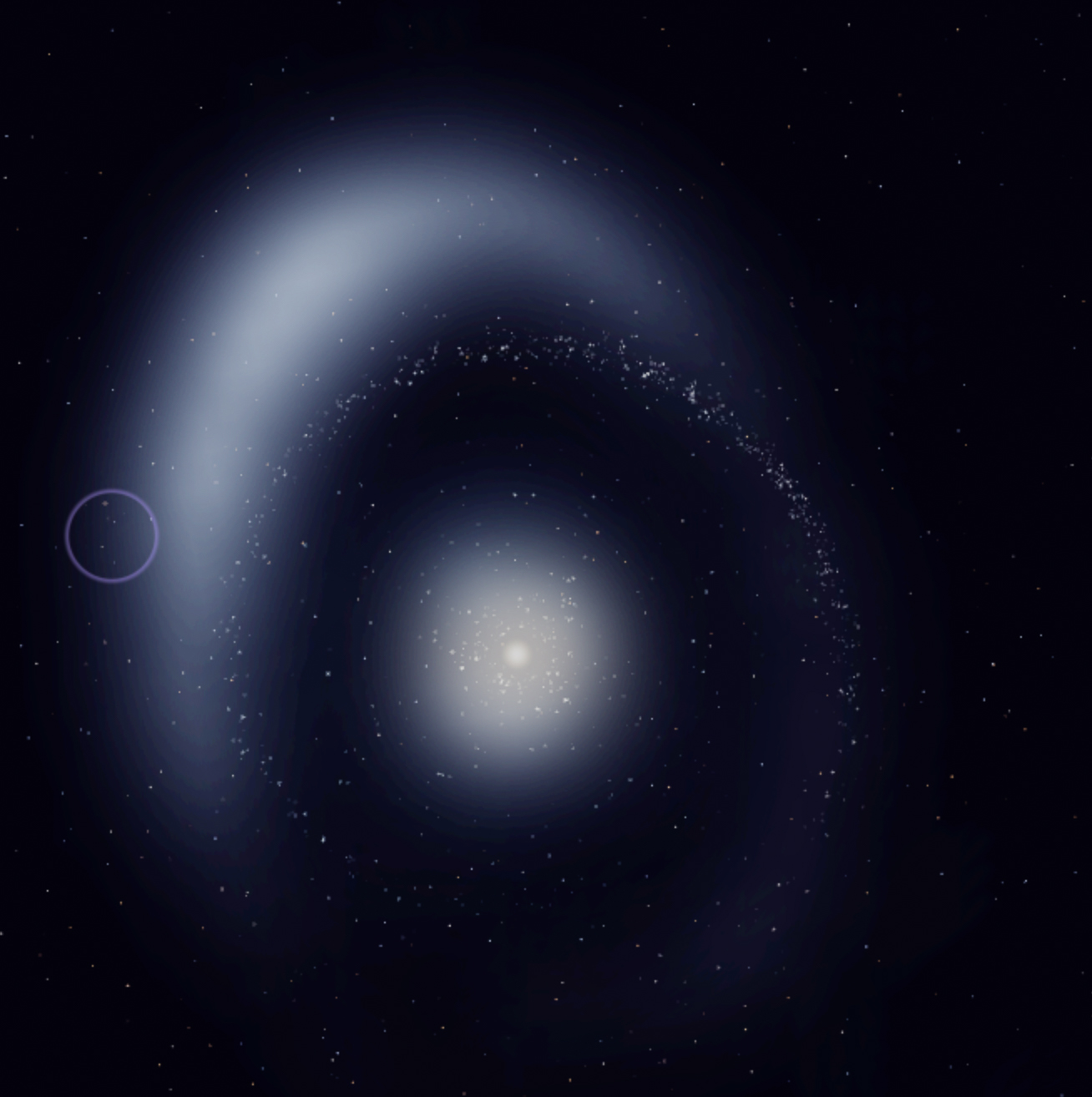
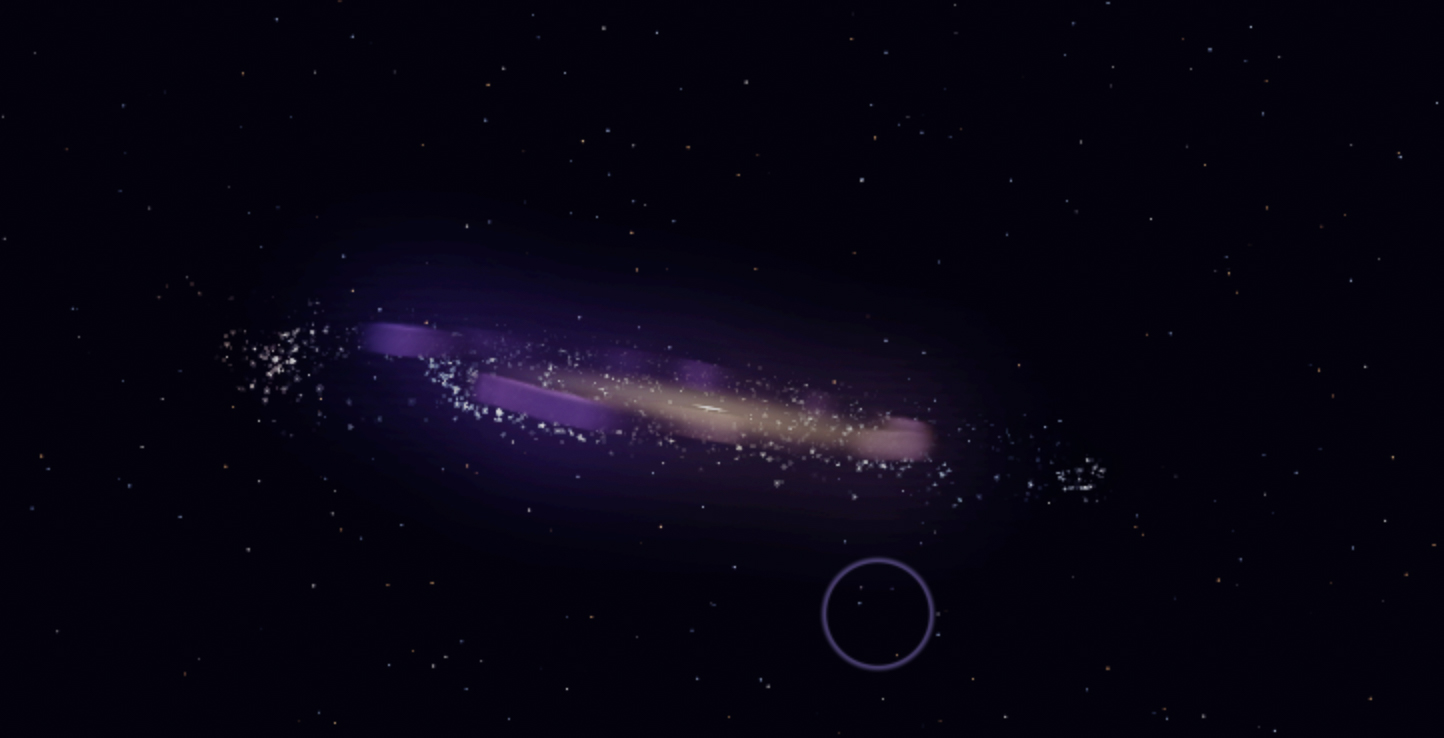
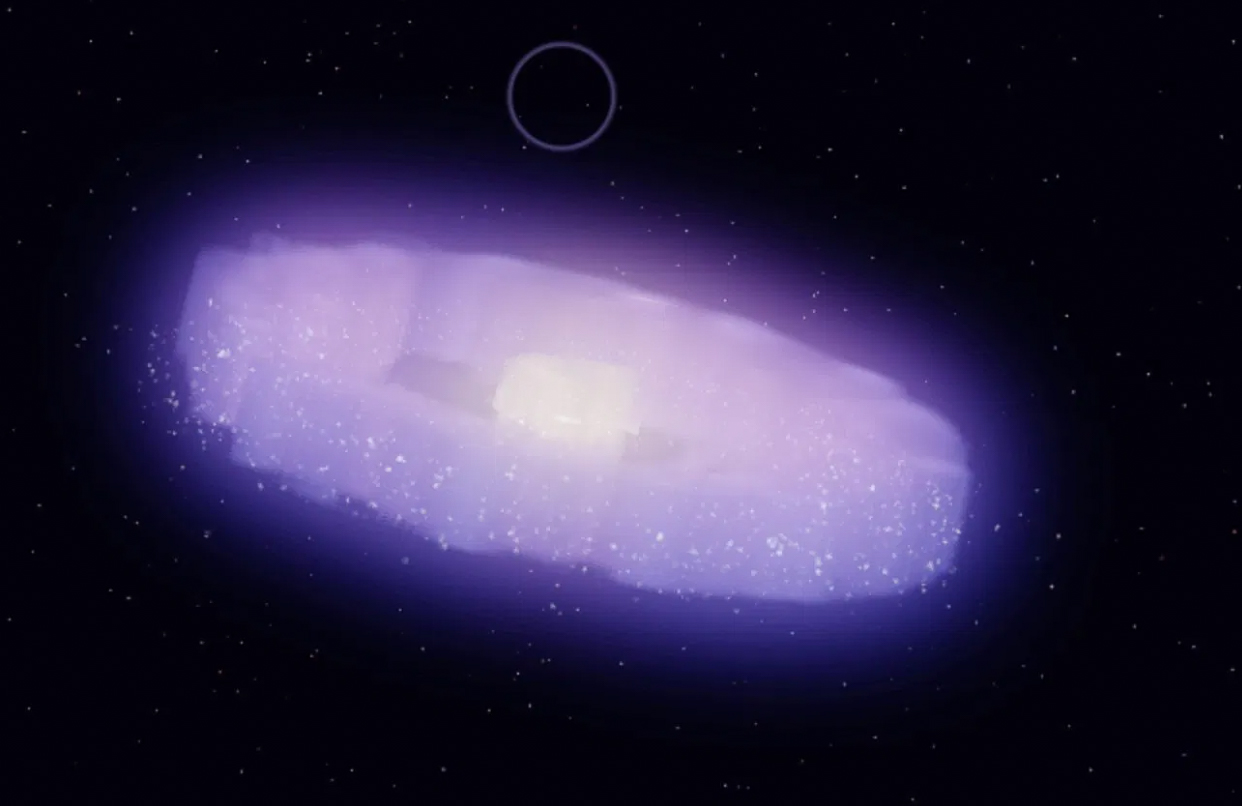
The simulation has gone through many iterations. In the beginning, it used a 2D context to try to keep performance smooth, but it eventually became a WebGL context for more realistic graphics, along with some clever tricks to maintain high performance.